
The media and creative industries are not just adopting AI. They're rebuilding their workforce around it, one role at a time. The 2026 Medienbarometer – the annual industry survey by medianet – found that 85 percent of companies expect a sharp rise in AI skill requirements within three years. Many are cutting jobs, particularly in editorial and content creation, while other positions remain unfilled for months.
On September 30, our partner medianet berlinbrandenburg e.V. explores what this all means for media companies and their teams, and what it takes to keep up.
INTRODUCING: THE SESSIONS
Horizon Stage – September 30
AI & Jobs: Who Will Be Working in the Media and Creative Industries Tomorrow?
Tasks are shifting. New job profiles are emerging. The panel sheds light on what's really happening to work in media, and how business, education and policy try to close the gap.
✔ Which tasks get automated next, and which skills replace them?
✔ How can companies requalify their teams for the shift?
From Skills to Strategy: How Media Companies Are Reinventing Work with AI
This session turns from outlook to practice. Panelists from media, tech and creative companies share which tasks they automated, which roles they created, and how teams and career paths changed as a result.
They also address the harder questions: which skills matter most, and how to use AI productively without losing what makes creative work distinctive.
INTRODUCING: THE SPEAKERS
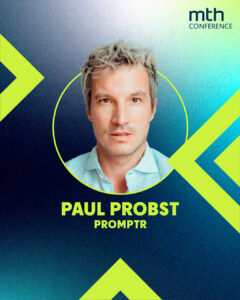
PAUL PROBST is AI Product Manager at PROMPTR, a new venture from Florida Entertainment GmbH. He's responsible for AI product development and AI video production, building the workflows and applications that put AI to work across the studio.
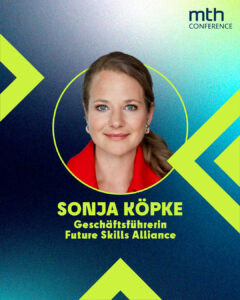
SONJA KÖPKE is CEO of the Future Skills Alliance, a network working to make education more equitable and future-ready. A trained teacher, she previously led Teach First Deutschland, which places university graduates in schools to advance educational equity.
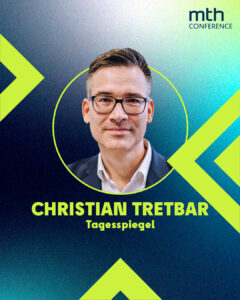
CHRISTIAN TRETBAR is Editor-in-Chief of Tagesspiegel, Berlin's leading media outlet. With a background in journalism and political science, he joined the paper as a sports reporter before moving into leadership roles across the newsroom.
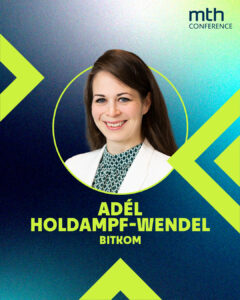
ADÉL HOLDAMPF-WENDEL heads Future of Work and Labour Law at Bitkom, focusing on how digitalisation is reshaping employment and labour law. Bitkom is Germany’s digital association, representing more than 2,200 companies from the digital economy.
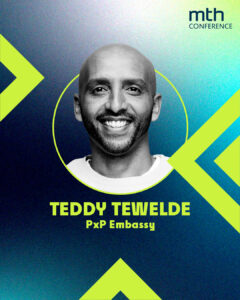
TEDDY TEWELDE is Co-Founder of PxP Embassy, a non-profit organisation focused on equal opportunities and future skills for young people. As an entrepreneur and education advocate, he works at the intersection of business, culture and education.
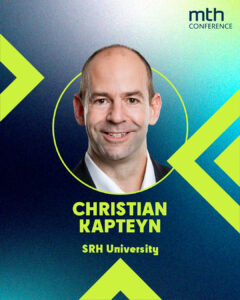
CHRISTIAN KAPTEYN is Professor of Digital Business at SRH University of Applied Sciences, where he leads the university's task force on generative AI in higher education. A former entrepreneur turned consultant, he now advises organisations on digital transformation and platform business models.
Presented by


